
Are Dental Implants Covered by Insurance? Find Out Here!
Dental implants are a revolutionary solution for those who have lost teeth due to injury, decay, or other reasons. Unlike dentures or bridges, dental implants provide a permanent and natural-looking replacement that integrates with your jawbone. The process involves surgically placing a titanium post into the jawbone, which acts as a root for the artificial tooth. Over time, the bone grows around the post, securing it firmly in place. Once the implant has fused with the bone, a custom-made crown is attached, completing the restoration.
MEDICARE
Michael A. Fagundes
2/10/202615 min read
Table of Contents
Are Dental Implants Covered by Insurance? Find Out Here!
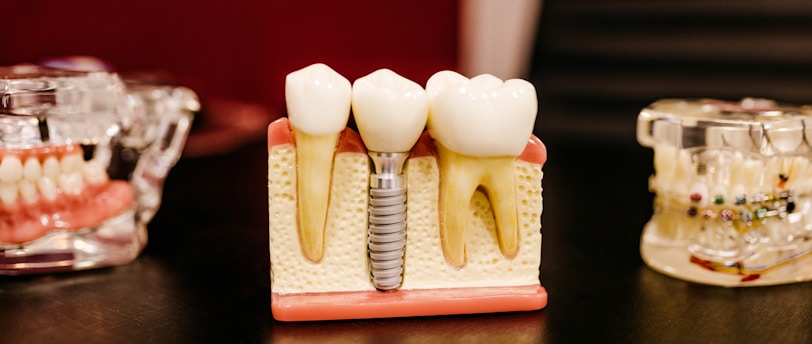

Understanding Dental Implants
Here at P2G Found we are always looking to help communities on how to get the information and recourses that they need to have. Today we're talking about the dental benefits that you deserve and are looking to get help to pay for. Dental implants have revolutionized the field of dentistry, providing a durable and aesthetically pleasing solution to replace missing teeth, but if you don't have the right insurance plan, you have to decide to go without a tooth or have to pay for the whole implant fully out of your pocket without any help and that can be very expensive. Unlike dentures, which can be removed, dental implants are surgically embedded into the jawbone, offering a permanent fix that mimics the look and function of natural teeth. This procedure does involve placing a titanium post into your jawbone, which acts as a root for your new artificial, natural looking replacement tooth. Then over time, osseointegration takes place, (a college level word that means) the bone has grown around fusing to the titanium post securing it firmly in place.
The benefits of dental implants extend beyond aesthetics.
Dental Implants contribute to the preservation of your jawbone density
which tends to deteriorate when your teeth are missing.
This helps in maintaining your facial structure and preventing the sunken appearance that can occur with tooth loss.
I love my grandmother, but I notice how her resting nap face changed.
Her lips are sunken in when she's napping.
Her cheeks seem to concave more than they should.
Dental implants improve oral health
allowing easier access between teeth for cleaning
Which helps in preventing gum disease and cavities.
They also help to keep from your teeth from shifting and changing your smile.
Despite their advantages, dental implants are not suitable for everyone. A thorough evaluation by a dental professional is necessary to determine if a patient is a good candidate. Factors like bone density, overall health, and oral hygiene practices play a crucial role in the success of the implant. Understanding these aspects is essential before considering dental implants as a viable option and if you are a candidate for a dental implant this blog post can help you to better understand your options on how to pay for them.
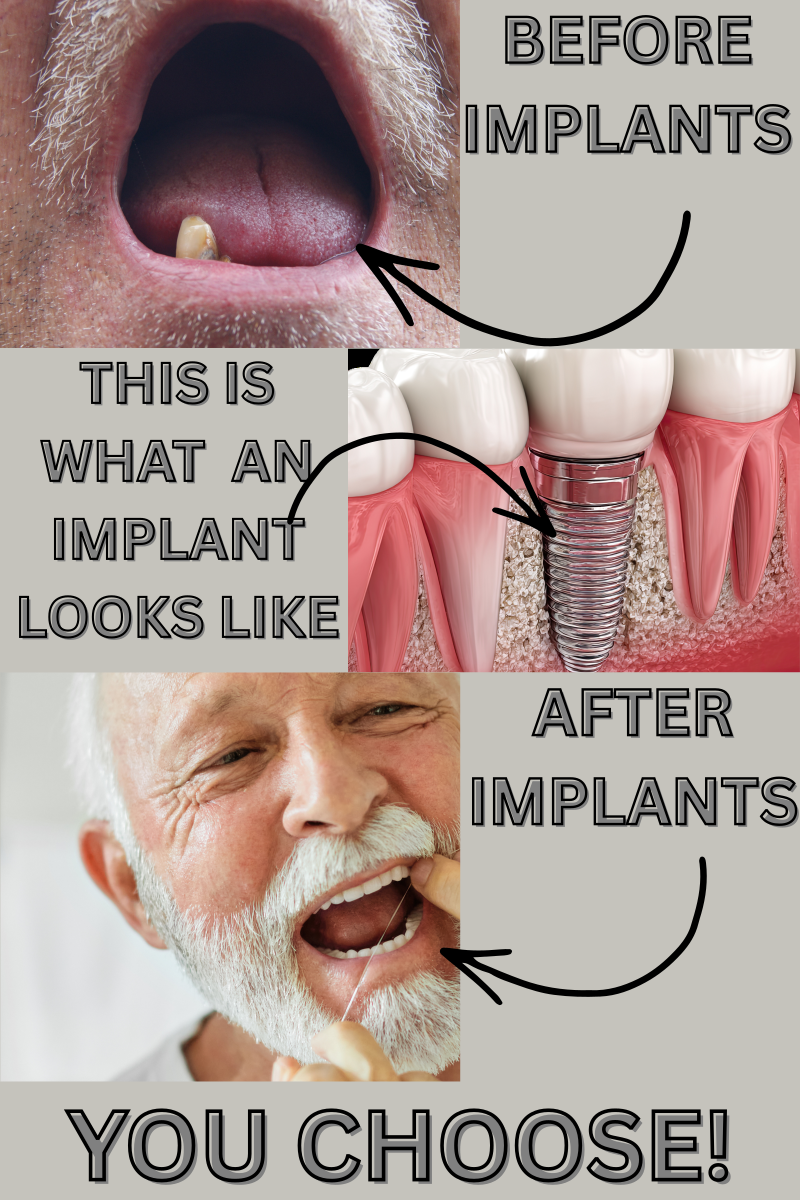
The Cost of Dental Implants
The financial aspect of dental implants is a significant consideration for many people. The cost can vary widely based on several factors, including the complexity of the procedure, the type of implant used, and the geographic location of the dental practice. On average, a single dental implant can cost anywhere from $3,000 to $4,500 am most senior dental plans don't want to cover this procedure. But, there are options and some select companies (that our agents know) do cover implants. Register on the sign up button within this post. This price typically includes the implant post, abutment, and crown but may not cover additional procedures like bone grafts or extractions if needed.
The high cost of dental implants often deters people from pursuing this option, despite the long-term benefits. However, it's important to consider the longevity and durability of implants. Unlike other dental solutions that may need frequent replacements or adjustments, dental implants can last a lifetime with proper care. This long-term value can offset the initial investment, making them a cost-effective solution with the right dental plan in the long run.
Insurance coverage for dental implants is a critical factor influencing your overall cost. Many insurance plans do not cover the full expense of implants, but there are a few that will, click the signup button in this post. To learn about the few insurance plans/carriers that help patients to split the cost to not have to pay a significant portion of the cost fully out-of-pocket, click the link. Understanding the nuances of insurance coverage and exploring alternative financing options can help in managing the financial burden associated with dental implants.
Types of Insurance Plans Available
When it comes to dental insurance, there are several types of plans available, each with its own set of benefits and limitations. Understanding these different plans can help you make an informed decision about your coverage options. The most common types of dental insurance plans are Dental Health Maintenance Organizations (DHMO), Preferred Provider Organizations (PPO), and Indemnity Plans.
DHMO plans typically have lower premiums and provide coverage through a network of dentists. However, these plans often have stricter limitations on the types of procedures covered and may require referrals for specialist care. PPO plans, on the other hand, offer more flexibility in choosing a dentist and generally cover a broader range of procedures. They tend to have higher premiums and out-of-pocket costs but provide greater coverage for major dental work, including implants.
Indemnity plans, also known as fee-for-service plans, offer the most flexibility in choosing a dentist and do not require referrals. These plans reimburse a percentage of the cost for dental procedures, allowing patients to visit any dentist they choose. However, they often come with higher premiums and deductibles. Understanding the specifics of each type of plan and how they relate to coverage for dental implants is crucial in making an informed decision.
Do Insurance Plans Typically Cover Dental Implants?
Let’s start with the big question.
Do insurance plans cover dental implants?
The honest answer is:
Not fully in most cases—but often more than people expect.
Many dental insurance plans still classify implants as “cosmetic,” which limits full coverage. But that doesn’t mean you’re on your own.
Here’s what most people don’t realize:
Dental implants aren’t a single procedure—they’re a series of steps. And insurance may cover parts of that process, such as:
Exams and consultations
X-rays and imaging
Tooth extractions
Bone grafting (in some cases)
The final crown (prosthetic tooth)
So instead of asking:
“Is this covered?”
A better question is:
“Which parts are covered?”
That one shift can uncover savings that many people miss entirely.
What Determines Whether You Get Coverage?
Insurance companies don’t make random decisions—they evaluate specific factors when determining coverage.
1. Medical Necessity Matters
If your implant is needed due to:
An accident
Disease
A serious dental condition
…you’re much more likely to receive partial coverage.
Strong documentation from your dentist—X-rays, notes, and a clear treatment plan—can significantly improve your chances.
2. Your Insurance Plan Type
Not all plans are created equal.
PPO and indemnity plans tend to offer more flexibility
DHMO plans often have stricter limitations
Annual maximums and waiting periods can impact timing and cost
Understanding your policy isn’t optional—it’s essential.
3. In-Network vs. Out-of-Network Providers
Staying in-network can reduce your out-of-pocket costs significantly.
Going out-of-network? You may still get coverage—but expect higher costs and more paperwork.
4. Fine Print That Can Cost You
Some plans include:
Missing tooth clauses
Waiting periods
Frequency limitations
These small details can make a big financial difference if you’re not aware of them upfront.
Here’s the Bigger Truth Most People Miss
The biggest mistake people make isn’t that implants aren’t covered…
It’s assuming they aren’t—and never looking deeper.
As a result, they delay treatment, settle for less effective solutions, or overpay unnecessarily.
Don’t let that be your story.
How to Afford Dental Implants (Even If Insurance Falls Short)
Now let’s talk about what really matters:
How do you actually pay for this?
Because this is where most people feel stuck—but it’s also where the most opportunity exists.
You Don’t Have to Pay Everything Upfront
Many dental offices offer monthly payment plans, allowing you to start treatment now and spread the cost over time.
So instead of asking:
“Can I afford this?”
Ask:
“Can I manage this monthly?”
That shift alone opens doors.
Use Financing Strategically
Healthcare financing options like CareCredit can provide short-term, no-interest payment options if used wisely.
The key is simple:
Have a payoff plan
Stay within promotional timelines
Avoid unnecessary interest
Used correctly, this becomes a tool—not a burden.
Leverage Pre-Tax Dollars
If you have an HSA or FSA, you’re sitting on one of the most powerful (and overlooked) financial tools available.
You’re using pre-tax income, which can significantly reduce your effective cost.
That’s smart stewardship.
Explore Lower-Cost Options Without Cutting Corners
Dental schools—like the University of Texas School of Dentistry at Houston—often provide high-quality care at reduced costs under expert supervision.
It may take more time, but the savings can be substantial.
Don’t Be Afraid to Ask for Help
Organizations like Dental Lifeline Network and even platforms like GoFundMe exist for a reason.
Sometimes the breakthrough isn’t just financial—it’s being willing to invite support.
Use a Strategy—Not Just One Solution
Here’s what works best:
Most successful patients don’t rely on just one option.
They combine:
Insurance (for partial coverage)
HSA/FSA funds
Monthly financing
Cost-saving alternatives
And suddenly, what felt impossible becomes manageable.
Why Waiting Can Cost You More
Delaying implants doesn’t just delay the solution—it can increase the problem.
Over time, you may face:
Bone loss
Shifting teeth
More complex (and expensive) procedures
So the real question becomes:
“What will it cost me if I wait?”
A Stewardship Perspective
As someone who cares about making wise financial decisions, this isn’t just about spending money—it’s about stewardship.
Taking care of your health:
Protects your future
Reduces long-term costs
Improves your quality of life
Sometimes the most responsible decision isn’t avoiding the expense…
It’s approaching it with wisdom and a plan.
Your Next Step
Don’t make this decision based on assumptions.
Get clarity.
Talk to your dentist
Request a treatment plan
Ask for a pre-treatment estimate
Review your insurance details
Because once you see the full picture, you may realize something important:
This is more within reach than you thought.
Final Thought
Dental implants aren’t just a dental decision—they’re a life decision.
And with the right strategy, they don’t have to be overwhelming.
They can be intentional.
They can be manageable.
And they can be a step toward long-term health and confidence.
If you’re ready to explore your options or want help thinking through the financial side wisely, don’t hesitate to reach out.
Clarity is the first step—and it changes everything.
Factors Influencing Coverage for Dental Implants
When it comes to dental implant coverage, the details matter—a lot. Insurance companies don’t make simple yes-or-no decisions here; instead, they evaluate multiple factors that can significantly affect whether your procedure is covered, partially reimbursed, or denied altogether.
1. Medical Necessity vs. Cosmetic Purpose
One of the most important factors insurers consider is why the dental implant is needed. If the procedure is deemed medically necessary—such as replacing a tooth lost due to trauma, disease, or a serious infection—there’s a much higher likelihood of receiving at least partial coverage.
For example, if a patient loses teeth due to an accident or a condition like advanced periodontal disease, the implant may be viewed as essential to restore function (chewing, speaking) and prevent further health complications. In contrast, if the implant is primarily for aesthetic improvement, insurers are far less likely to cover it.
To strengthen your case, documentation is key. This may include:
X-rays and imaging
Written evaluations from your dentist or oral surgeon
A detailed treatment plan explaining why alternatives (like dentures or bridges) are not suitable
The more clearly your provider can demonstrate medical necessity, the better your chances of approval.
2. Type of Insurance Plan
Not all dental insurance plans are created equal, and the structure of your plan plays a major role in what’s covered.
PPO (Preferred Provider Organization) plans typically offer the most flexibility. They may cover a portion of the implant procedure, especially if it falls under “major services.”
Indemnity plans (also known as fee-for-service plans) can sometimes provide broader coverage, but reimbursement levels vary.
DHMO (Dental Health Maintenance Organization) plans usually have stricter limitations and often exclude implants altogether or offer very minimal coverage.
Beyond the plan type, you’ll want to pay close attention to:
Annual maximums (often $1,000–$2,000, which implants can easily exceed)
Deductibles
Coinsurance percentages (e.g., 50% coverage for major procedures)
Waiting periods, which can delay eligibility for major services like implants for 6–12 months or longer
Understanding these elements ahead of time can prevent surprises when the bill comes.
3. Breakdown of Covered Procedures
Here’s something many people don’t realize: even if your plan doesn’t explicitly cover “dental implants,” it might still cover parts of the procedure.
A dental implant process typically includes:
Tooth extraction (if needed)
Bone grafting (in some cases)
Implant placement (the surgical component)
Abutment placement
Crown placement
Some insurance plans may deny the implant itself but still cover:
The extraction
The crown (as a prosthetic)
Diagnostic services like exams and imaging
So instead of thinking in terms of “covered vs. not covered,” it’s often more accurate to think in terms of partial, component-based coverage.
4. In-Network vs. Out-of-Network Providers
Your choice of dentist or oral surgeon can significantly impact your out-of-pocket costs.
Most insurance plans have a network of preferred providers who have agreed to negotiated rates. If you stay within that network:
You’ll typically pay less
Claims are handled more smoothly
Coverage levels are maximized
If you choose an out-of-network specialist—especially common with dental implants—you may face:
Higher fees
Lower reimbursement rates
The need to pay upfront and seek reimbursement yourself
Before committing to a provider, it’s worth verifying:
Whether they’re in-network
How your plan reimburses out-of-network services
Whether they can submit a pre-treatment estimate (this is huge for avoiding surprises)
5. Frequency Limitations and Missing Tooth Clauses
Some plans include restrictions that can quietly disqualify you from coverage.
A common one is the “missing tooth clause.” This means the insurance company will not cover replacement of a tooth that was missing before your policy went into effect.
For example, if you lost a tooth two years ago but only recently got dental insurance, your implant for that tooth may not be covered at all—even if everything else qualifies.
Other limitations may include:
Frequency restrictions on major procedures
Replacement rules (e.g., crowns only covered every 5–10 years)
These fine-print details can make a big financial difference.
6. Coordination with Medical Insurance
Here’s a lesser-known angle that can work in your favor: in some cases, medical insurance (not just dental) may cover parts of the implant process.
This is more likely when the implant is tied to a broader medical issue, such as:
Jawbone damage from an accident
Oral cancer reconstruction
Congenital defects
Medical insurance may cover the surgical portion, while dental insurance may cover the prosthetic (crown). Coordinating benefits between the two can significantly reduce your total cost—but it often requires careful documentation and persistence.
7. Pre-Authorization and Appeals
Finally, never underestimate the importance of pre-authorization.
Before proceeding with treatment, your dentist can submit a detailed plan to your insurance company for review. This gives you:
A clearer picture of what will be covered
A chance to adjust your plan if needed
Documentation you can use if a claim is later denied
And if you do get denied, that’s not always the end of the road. Many claims are overturned on appeal—especially when additional documentation is provided to support medical necessity.
Alternative Financing Options for Dental Implants
Let’s be honest for a moment.
For many people, the biggest obstacle to getting dental implants isn’t fear—it’s the cost.
You may already know implants are the best long-term solution. You may even feel the urgency to move forward. But when you see the price tag, it can stop you in your tracks.
And that’s where too many people get stuck… waiting, delaying, or settling for less effective options.
But here’s the truth: you have more options than you think.
You Don’t Have to Pay for Everything Upfront
One of the biggest misconceptions about dental implants is that you need thousands of dollars sitting in your bank account to get started.
In reality, many dental offices offer flexible monthly payment plans that allow you to begin treatment now and pay over time.
Instead of asking:
“Can I afford this?”
A better question becomes:
“Can I comfortably manage this monthly?”
That simple shift changes everything.
Use Smart Financing—Not Stressful Debt
Tools like healthcare financing through providers such as CareCredit can give you immediate access to the care you need—often with no interest if paid within a promotional period.
When used wisely, this isn’t about going into debt—it’s about leveraging a strategy to protect your health without draining your savings.
The key is having a clear payoff plan so you stay in control—not the lender.
Tap Into Pre-Tax Dollars Most People Overlook
If you have an HSA or FSA, you could be sitting on one of the most underutilized resources available.
Using these accounts means:
You’re paying with pre-tax income
You’re effectively reducing the real cost of your procedure
For many families, this alone can make a significant difference in affordability.
Lower-Cost Options Do Exist (Without Sacrificing Quality)
If cost still feels like a barrier, there are ways to reduce it without cutting corners.
For example, teaching institutions like University of Texas School of Dentistry at Houston often provide implant procedures at reduced rates under expert supervision.
It may require a little more time and flexibility—but the savings can be substantial.
You Don’t Have to Carry This Alone
Some people quietly carry the burden of needing dental work, feeling like they have to figure it out on their own.
But that’s not your only option.
Platforms like GoFundMe have made it possible for friends, family, and even your broader community to step in and help when it matters most.
And for those who qualify, organizations like Dental Lifeline Network offer support for critical dental care.
Sometimes the breakthrough isn’t just financial—it’s being willing to ask.
A Smarter Way to Move Forward
Here’s what most people don’t realize:
You don’t need one perfect solution—you need a strategy.
Many patients successfully combine:
Insurance (for partial coverage)
HSA/FSA funds
Monthly financing
Reduced-cost providers
When these are used together, what once felt overwhelming becomes manageable.
Don’t Let Delay Cost You More
Putting off dental implants doesn’t just delay the solution—it can make things worse.
Bone loss, shifting teeth, and additional procedures can increase both the complexity and cost over time.
So the real question isn’t just:
“Can I afford this now?”
It’s:
“What will it cost me if I wait?”
Take the Next Step
If you’re considering dental implants, the best next move isn’t guessing—it’s getting clarity.
Talk with a qualified dental provider. Ask for a treatment plan. Request a breakdown of costs and financing options.
Because once you see the full picture, you may realize something important:
This is more within reach than you thought.
If you want, I can also layer in a faith-based or stewardship-focused close that fits your audience—something that ties wise financial decisions to taking care of your body and long-term legacy.
How to Navigate Your Insurance Policy
Navigating the complexities of your insurance policy can be daunting, especially when it comes to understanding coverage for dental implants. The first step is to thoroughly review your policy documents, paying close attention to the sections that outline covered procedures, exclusions, and limitations. Understanding these details will give you a clearer picture of what to expect regarding coverage for dental implants.
It's also essential to communicate directly with your insurance provider. Contact their customer service department and ask specific questions about your coverage for dental implants. Inquire about what aspects of the procedure are covered, whether pre-authorization is required, and if there are any specific documentation requirements. Keeping detailed notes of these conversations can be helpful for future reference.
Working closely with your dental provider can also aid in navigating your insurance policy. Many dental offices have insurance coordinators who are experienced in dealing with insurance companies and can assist you in submitting claims and obtaining pre-authorization. They can help ensure that all necessary documentation is provided and that the claims process goes as smoothly as possible.
Tips for Maximizing Your Insurance Benefits
Maximizing your insurance benefits requires a strategic approach and a thorough understanding of your policy. One effective strategy is to schedule your dental implant procedure in stages across different plan years. This can help you take advantage of your annual maximum benefit for each year, potentially reducing your out-of-pocket costs.
Another tip is to ensure that all necessary pre-authorizations and documentation are obtained before proceeding with the implant procedure. This can prevent claim denials and ensure that you receive the maximum coverage available under your plan. Working closely with your dental provider and insurance company to gather and submit the required information is crucial.
Additionally, consider exploring supplemental insurance plans that specifically cover dental implants. These plans can provide additional coverage and reduce your overall financial burden. While they come with an additional premium, the extra coverage they offer can be well worth the investment, particularly for extensive dental work like implants.
Real-Life Experiences: Coverage Success Stories
Hearing real-life experiences from individuals who have successfully navigated insurance coverage for dental implants can provide valuable insights and inspiration. One such story is that of Jane, who lost several teeth in an accident. With the help of her dentist and insurance coordinator, Jane was able to document the medical necessity of her implants and secure partial coverage from her insurance plan. By spreading the procedure over two plan years, she maximized her annual benefits and significantly reduced her out-of-pocket costs.
Another success story comes from Mark, who needed dental implants due to severe periodontal disease. Mark's insurance initially denied coverage for the implants, classifying them as cosmetic. However, with detailed documentation from his periodontist highlighting the medical necessity, Mark successfully appealed the decision and obtained coverage for a portion of the procedure. This experience underscores the importance of persistence and thorough documentation.
These real-life examples demonstrate that while securing insurance coverage for dental implants can be challenging, it is not impossible. With careful planning, clear communication, and strategic use of insurance benefits, many individuals have successfully navigated the process and achieved their goal of restoring their smiles with dental implants.
Conclusion: Making Informed Decisions About Dental Implants
Making informed decisions about dental implants involves understanding the procedure, its costs, and the complexities of insurance coverage. While dental implants offer numerous benefits for oral health and aesthetics, their high cost and often limited insurance coverage can be significant barriers. However, by thoroughly researching your insurance plan, exploring alternative financing options, and working closely with your dental provider, you can navigate these challenges effectively.
It's essential to approach the process with a clear understanding of your insurance policy and to communicate openly with your insurance provider and dental team. Taking proactive steps to document the medical necessity of the implants and obtaining pre-authorizations can increase the likelihood of securing coverage. Additionally, exploring supplemental insurance plans and alternative financing options can help manage the financial burden.
Ultimately, the decision to pursue dental implants is a personal one that requires careful consideration of both the benefits and the costs. By staying informed and taking a strategic approach, you can make the best decision for your oral health and overall well-being. Remember, the goal is to restore not only your smile but also your confidence and quality of life.
Ask About our Affiliate Program Commissions are paid for the life of the support that is received from that referred partner.
Click the Box To Get More Information About The HERO PROGRAM!
The Poor 2 Glee Foundation (P2G Found) is a 501c3 non-profit EIN#47-3725518, non-discriminatory service organization and employer. We do not discriminate on the basis of race, color, national origin, religion, sex, age, sexual orientation or disability. Persons seeking employment are entitled to freedom from harassment and retaliation and reasonable accommodation for qualified disabilities.
New Business Address: Poor 2 Glee Foundation @ ASATT Church 1530 W Sam Houston Pkwy N STE 103 Houston, Texas 77043
Mailing Address: 2223 Trail West St. Sugar Land, TX. 77478